

Description
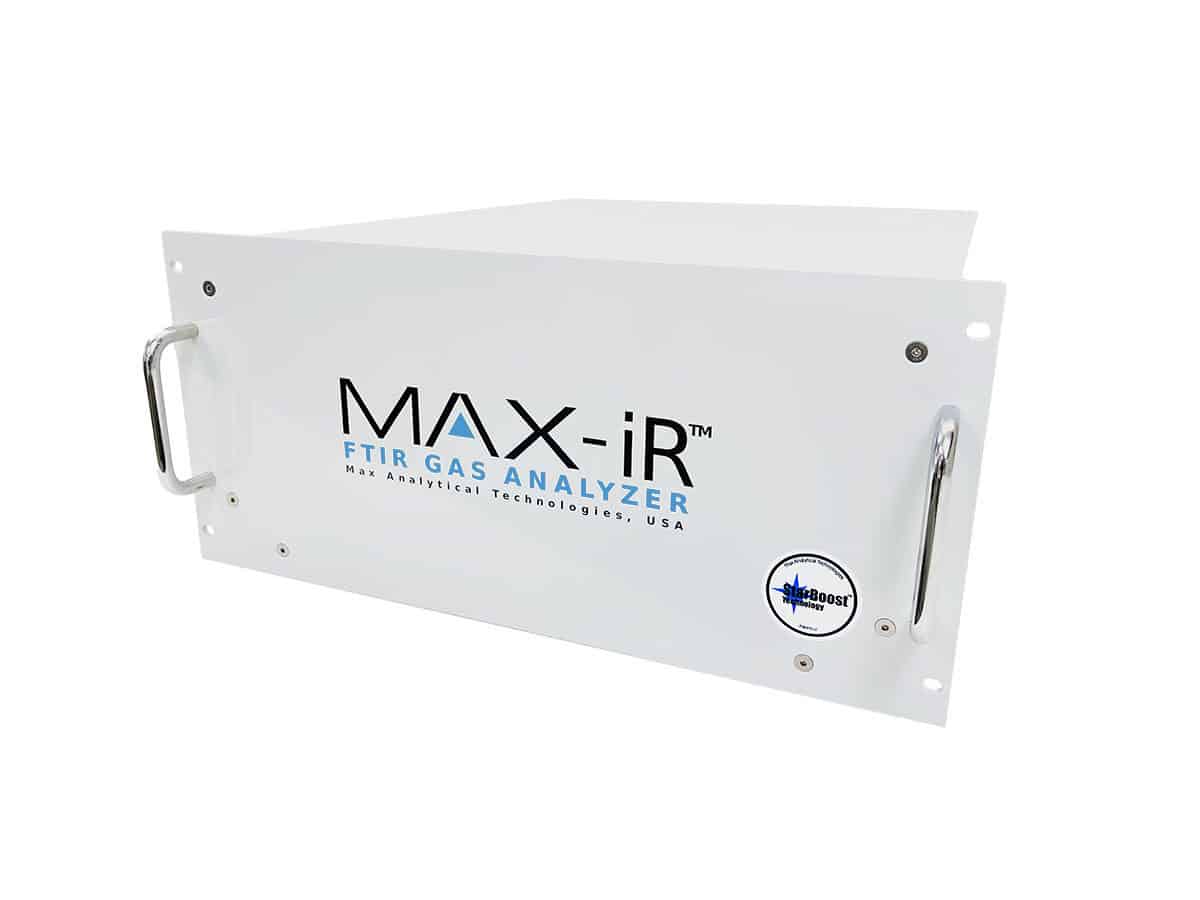
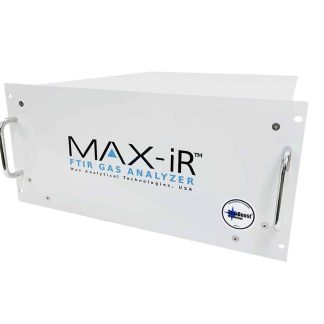
Thermo Scientific MAX-iR FTIR Gas Analyzer Repair
The MAX-iR is the FTIR gas analyzer built around a compact, rugged, high-throughput interferometer with embedded 24-bit analog-to-digital detector modules, so it reaches its signal-to-noise without liquid nitrogen. It ships with a DTGS detector as standard and offers indium arsenide and mercury-cadmium-telluride options with StarBoost optical enhancement, which takes detection into single-digit ppb and into mid-ppt in ultra-high-purity bulk gas work. A long-life VCSEL diode and a silicon carbide source drive it, with onboard temperature and pressure sensing.
June Company’s certified technicians repair the MAX-iR for semiconductor gas purity laboratories, emissions testing contractors, process monitoring teams and ambient air monitoring groups. We diagnose and repair at the board and component level, and every instrument is functionally verified before it ships back.
Common MAX-iR problems we fix
- Detector faults — DTGS, InAs or MCT detectors losing sensitivity, which raises detection limits before anything appears broken.
- Interferometer faults — alignment or drive problems degrading resolution and signal-to-noise.
- VCSEL laser faults — the reference laser failing, which stops accurate wavenumber determination.
- SiC source faults — infrared source output dropping across the spectrum.
- Gas cell contamination — deposits or window fouling in the cell, which raises baselines and hides low-level species.
- Temperature and pressure sensor faults — onboard compensation reading wrongly, which biases quantification.
- Purge and gas handling faults — leaks or purge failure letting ambient species into the measurement.
- Communication and software faults — data not logging, or the analyzer not reporting to the host system.
- Cooling faults — detector cooling losing performance on cooled detector options.
- Power supply faults — instability producing intermittent noise and baseline drift.
FAQs
Our detection limits have risen. Detector or cell? Both are candidates and we test them separately. Cell contamination is the cheaper and more common cause, so we rule that out before quoting a detector.
Do you work on StarBoost-equipped units? Yes, including the enhanced optical path. We verify performance at the enhanced detection level rather than just confirming the instrument runs.
Do you service other Thermo FTIR instruments? Yes, across the Thermo FTIR range.
Every repair is backed by a 90-day parts-and-labor warranty, with a firm quote before any work begins. Email us or submit a service request.


Reviews
There are no reviews yet.