Description
Hipot Tester Repair
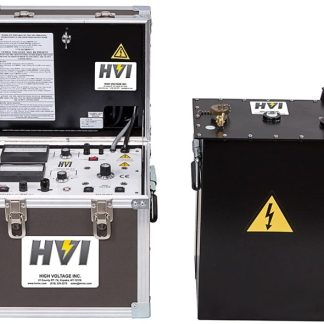
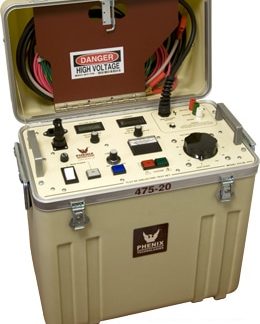
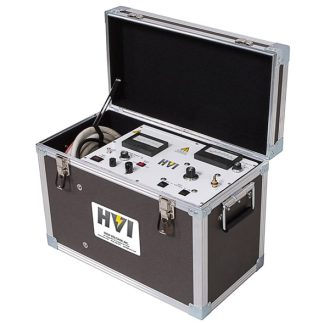
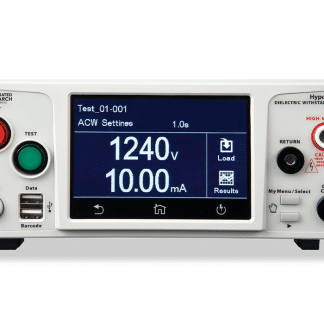
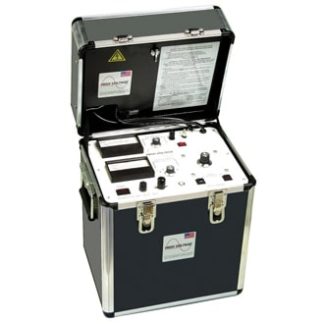
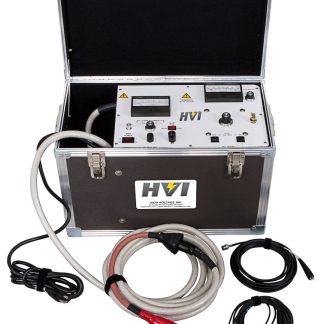
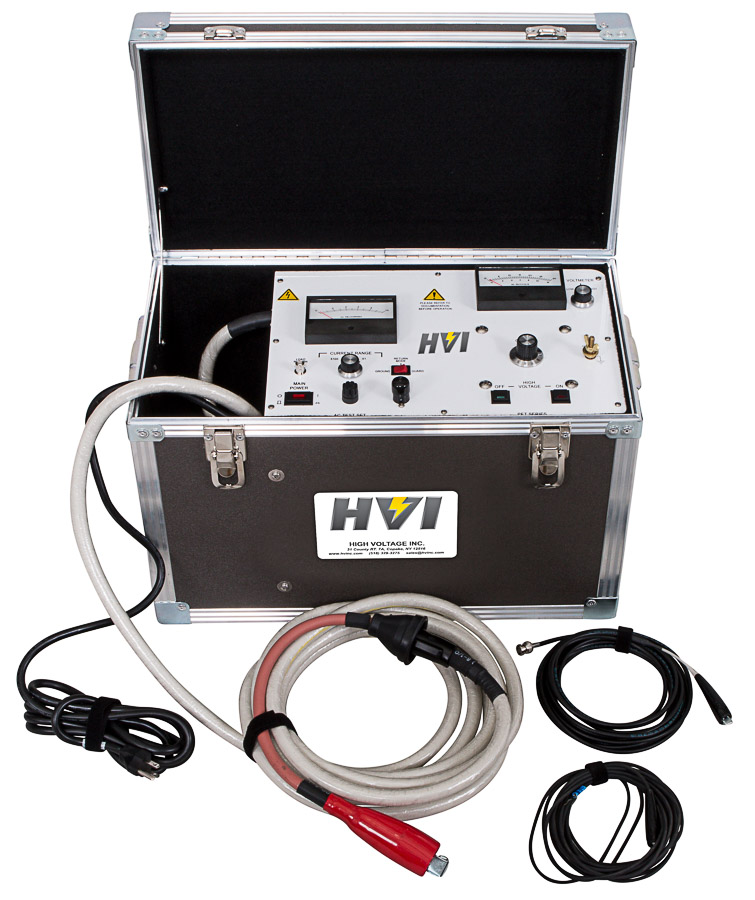
The Hipot Tester is a hipot tester – it applies a high AC or DC voltage across insulation and watches the leakage current for a breakdown. It is a safety instrument, which changes the stakes on its accuracy: a tester that quietly under-delivers voltage passes everything put in front of it.
June Company repairs and calibrates the Hipot Tester for production test departments, electrical safety teams, panel builders, and compliance laboratories. Every instrument is repaired at component level and verified against reference standards before it ships back, with the measured results documented.
Common Hipot Tester problems we fix
- GPIB, LAN, USB or remote-control faults – which breaks automated test sequences while the instrument still works from the front panel.
- Test voltage low or not reaching setpoint – the most consequential fault on a safety tester, because under-voltage produces a pass on equipment that should have failed and nothing on the display indicates it.
- Leakage current measurement inaccurate.
- Arc detection not triggering or triggering falsely.
- High-voltage transformer or output stage faults.
- Safety interlock or ground-continuity circuit failure.
- Ramp and dwell timing errors.
- HV lead, probe or connector damage.
- Display, keypad or front-panel faults.
FAQs
Are the measurements verified after repair? Yes, against reference standards, with the measured results documented and returned with the instrument.
How do I know it is really applying the test voltage it displays? You cannot tell from the display, which is the problem on a safety instrument. We measure the actual output voltage independently.
Every repair carries a 90-day parts-and-labor warranty, with a firm quote before any work begins. Email us or submit a service request.