Wika Repair
WIKA is a global leader in the manufacturing of pressure, temperature, level, flow, and force measurement instruments. Their products are used across various industries, including oil and gas, chemical, petrochemical, power generation, HVAC, and water treatment. Here are some key WIKA products and their functionalities:
Pressure Measurement:
Mechanical Pressure Gauges: These devices measure and display pressure in a system. They are available in various types, including Bourdon tube, diaphragm, and capsule gauges, and are used in applications ranging from industrial processes to HVAC systems.
Electronic Pressure Transmitters: These instruments convert pressure into an electrical signal. They are used for precise pressure monitoring and control in industrial automation, process control, and other applications requiring high accuracy and reliability.
Differential Pressure Gauges: These gauges measure the difference in pressure between two points in a system, commonly used in filter monitoring, level measurement in closed tanks, and flow measurement.
Temperature Measurement:
Mechanical Thermometers: These include bimetallic thermometers, gas-actuated thermometers, and expansion thermometers. They provide accurate temperature readings in a wide range of applications, from industrial processes to HVAC systems.
Electronic Temperature Transmitters: These devices convert temperature measurements into electrical signals for monitoring and control. They are used in process automation, laboratory environments, and other applications requiring precise temperature control.
Thermocouples and RTDs (Resistance Temperature Detectors): These temperature sensors provide accurate and reliable temperature measurements for a wide range of industrial applications.
Level Measurement:
Float Switches: These devices detect liquid level changes by using a float that moves with the liquid surface. They are used for monitoring and controlling liquid levels in tanks, reservoirs, and other containers.
Hydrostatic Level Sensors: These sensors measure the pressure exerted by a liquid column to determine the liquid level. They are used in applications such as water and wastewater management, chemical processing, and oil and gas industries.
Magnetostrictive Level Sensors: These sensors provide continuous level measurement with high accuracy and reliability, suitable for applications requiring precise level monitoring.
Flow Measurement:
Variable Area Flow Meters (Rotameters): These devices measure the flow rate of liquids and gases by using a float that rises and falls in a tapered tube, indicating the flow rate on a scale.
Electronic Flow Meters: These meters use technologies such as ultrasonic, electromagnetic, and turbine to measure flow rates accurately. They are used in various industrial applications, including water treatment, chemical processing, and HVAC systems.
Force Measurement:
Load Cells: These devices measure force or weight by converting mechanical force into an electrical signal. They are used in weighing systems, industrial automation, and material testing.
Force Transducers: These sensors measure force, tension, or compression in various applications, including industrial machinery, automotive testing, and structural testing.
Calibration Instruments:
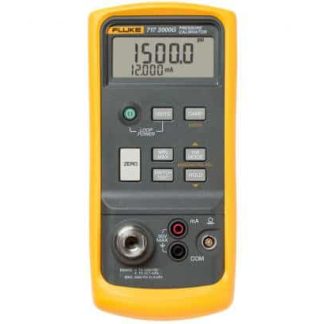
Pressure Calibrators: These devices are used to calibrate pressure measurement instruments, ensuring their accuracy and reliability. They are essential for maintaining measurement standards in industrial processes.
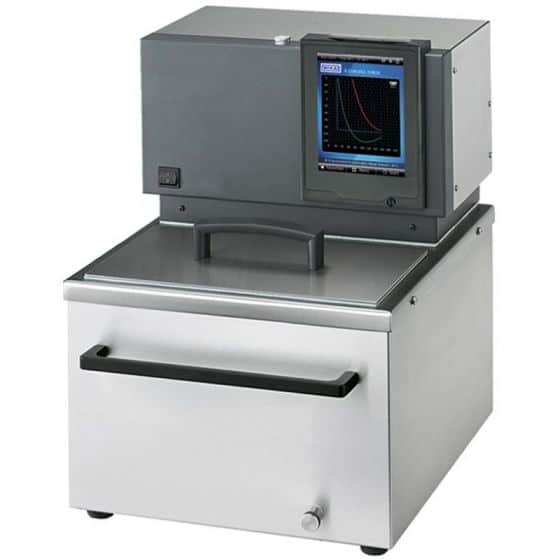
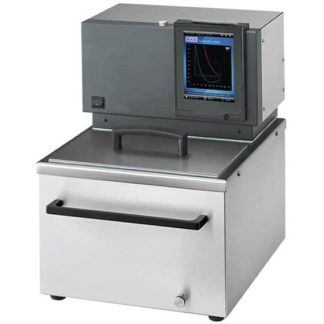
Temperature Calibrators: These calibrators are used for verifying and adjusting the accuracy of temperature measurement instruments, such as thermocouples and RTDs.


Reviews
There are no reviews yet.