

Description
Fluke 9170-D-156 Repair
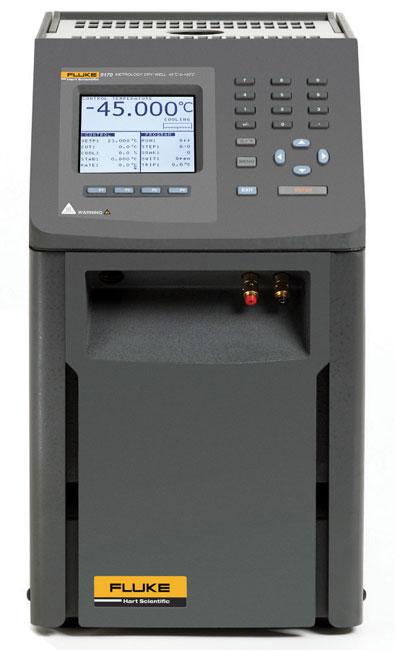
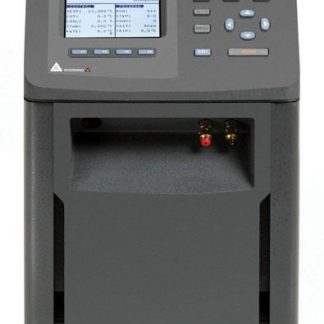
The Fluke 9170-D-156 is a dry-block temperature calibrator – it heats and cools a metal block to a commanded temperature, and probes under test sit in a drilled insert inside that block. There is no liquid, which makes it portable and clean, but it also means the block’s uniformity and stability are doing all the work that a stirred fluid would otherwise do. The D designation identifies the insert bore configuration supplied with this unit, which determines what probe diameters it accepts.
The Fluke 9170-D-156 is repaired at June Company by technicians who work on temperature calibration equipment daily, for instrument technicians, calibration laboratories, process plant metrology teams, and field service engineers. Every instrument is repaired at component level and verified against reference standards before it ships back, with the measured results documented.
Common Fluke 9170-D-156 problems we fix
- Will not reach low setpoints – the cooling path, which fails independently of the heater and is easy to miss if only high-temperature points get checked.
- Over-temperature cutout tripping prematurely.
- Insert bore damaged, corroded, or seized – a probe that will not withdraw cleanly, or a bore no longer making proper thermal contact.
- Display, keypad or interface faults.
- Serial, USB or remote-control communication failures – which breaks automated calibration sequences while the instrument still works manually.
- Stability or uniformity outside specification – the specification that actually matters on a dry well – a block that reaches temperature but varies across its depth quietly invalidates every calibration performed in it.
- Heater element failure or slow heating.
- Temperature unstable or overshooting setpoint – the control loop – a source that will not settle cannot be used for calibration at all, however accurate its readout claims to be.
FAQs
It reaches the setpoint but my readings still disagree – what is wrong? Usually uniformity rather than the setpoint. The block can be at temperature on average while varying enough across the insert to move your reading, and that is measurable and correctable.
Does a repair confirm stability, or only that it heats? Stability and uniformity are verified, because those are the specifications a dry well is bought for. Simply reaching temperature proves very little.
Every repair carries a 90-day parts-and-labor warranty, with a firm quote before any work begins. Email us or submit a service request.


Reviews
There are no reviews yet.